Lalbagh Fort, Dhaka Logo
EUR
Suggested for you
More currencies
Book Now
Open today · 09:00 – 13:00,13:30 – 17:00

Lalbagh Fort Tickets

Lalbagh Fort Tickets — Mughal Dhaka, Reserved Entry

Red sandstone under monsoon light, an empire's unfinished sentence.

4.8 /5 · 2,400 reviews
212K+ travelers chose this
Free Cancellation
Right now: Moderate — summer weekday Arrive before 11:00 to beat the afternoon heat and the midday closure window
1.5-2 hours recommended
1 Languages
Independent entry, any size
Free Cancellation
Free cancellation Instant confirmation Mobile voucher Verified partner Skip-the-line
Choose your ticket

Lalbagh Fort tickets at a glance

Compare fares, pick the fit — all bookings are mobile-voucher and eligible for free cancellation where shown.

Mumbai to Elephanta Caves Half-Day Guided Tour with Ferry 5 hr
Guided Experience

Mumbai to Elephanta Caves Half-Day Guided Tour with Ferry

4.9 (420)
$25
  • Expert local guide
  • Small group
  • Skip-the-line access
  • Free cancellation
Book this ticket
Mumbai Cultural Immersion: Dharavi Slum, Dhobi Ghat & Dabbawallas Tour 4 hr 30 min
Standard Entry

Mumbai Cultural Immersion: Dharavi Slum, Dhobi Ghat & Dabbawallas Tour

4.9 (748)
€14
  • Entry ticket
  • Mobile voucher
  • Valid same day
  • Free cancellation
Book this ticket
Compare options

Compare Lalbagh Fort ticket options

Experience DurationRatingPickupSkip-the-lineGuideFree cancel. Price
Guided Experience
Most popular
Complete Mumbai Full-Day Guided City Highlights Tour
6 hr★ 4.9 €21 Book →
Guided Experience
Mumbai to Elephanta Caves Half-Day Guided Tour with Ferry
5 hr★ 4.9 $25 Book →
Standard Entry
Mumbai Cultural Immersion: Dharavi Slum, Dhobi Ghat & Dabbawallas Tour
4 hr 30 min★ 4.9 €14 Book →

Are Lalbagh Fort Tickets Worth the Price for Foreign Visitors

Worth it for history-minded visitors, marginal for casual sightseers

Lalbagh Fort Tickets cost foreign adults 200 BDT per person, which buys walled grounds off Lalbagh Road, the Pari Bibi tomb exterior and interior, the Quilla mosque facade, the Diwan-i-Aam hall, and a small museum of Mughal weapons, coins and manuscripts. That is roughly the price of two cups of tea in Dhaka, so the value math is not really in dispute — the risk is expectation, not money. Travellers arriving from Agra or Lahore will notice this Mughal fort was never finished, and the manicured lawns and fountain channels read more municipal park than imperial complex. For anyone interested in Bengal's Mughal architecture, the museum alone justifies the entry. Casual sightseers ticking off Dhaka landmarks may find the grounds thin. Arrive between 09:00 and 11:00, when the gate has just opened and heat and crowds are both still low. Guided Lalbagh Fort Tickets tours add context the sparse on-site signage does not.

What makes it worth it

  • 200 BDT is negligible against Dhaka travel costs
  • Museum holds genuine Mughal weapons, coins, manuscripts
  • Walled grounds offer rare quiet in central Dhaka
  • Pari Bibi tomb interior included in entry
  • Early Lalbagh Fort Tickets tour beats the heat

Keep in mind

  • Unfinished fort underwhelms visitors expecting Agra-scale grandeur
  • Interpretive signage is sparse and mostly Bengali
  • Midday closure breaks the day awkwardly
  • Guides and transport add real cost beyond Lalbagh Fort Tickets tickets

Bottom line: At 200 BDT, buy the ticket for the museum and the Mughal-era calm, not for spectacle.

Head to head

Lalbagh Fort Tickets vs Ahsan Manzil: Which Old Dhaka Landmark Comes First

Most travelers who book Lalbagh Fort Tickets pair the visit with Ahsan Manzil on the same morning, and the fort earns the earlier slot because its gardens open cooler and its gates are less crowded before 11am. Think of it as one Old Dhaka landmarks day split across two very different eras.

Top pick
Lalbagh Fort
Ahsan Manzil
Era and architectural style 19th-century Indo-Saracenic Nawabi palace
What's inside 20+ galleries, Durbar Hall, period furniture, Chubb safe
Typical visit length 1–2 hours
Entrance fee 500 BDT (foreign adults)
Best paired activity Buriganga riverside stroll or Sadarghat boat view
Distance and travel time between them 2 km, roughly 10–15 minutes by car or rickshaw

Verdict: Neither site replaces the other: Lalbagh shows Mughal military and garden design while Ahsan Manzil shows 19th-century Nawabi domestic life, so a single Old Dhaka itinerary that starts at the fort and ends riverside at the palace covers both eras without doubling back.

Featured Experiences

Popular Lalbagh Fort tours & activities

Hand-picked experiences loved by thousands of travelers

Recommended Experience

Powered by GetYourGuide

Another traveler favorite

Powered by GetYourGuide
Mumbai Private Full-Day Tour: Landmarks & Dharavi Slum Walk 4 - 7 hours Free Cancellation

Mumbai Private Full-Day Tour: Landmarks & Dharavi Slum Walk

Explore Mumbai's legendary sights and experience the industrious spirit of Dharavi with a private guide.

4.9 (386)
FromFrom €17.52
See details
Mumbai City Sightseeing, Elephanta Caves & Dharavi Slum Private Tour 4 - 10 hours Free Cancellation

Mumbai City Sightseeing, Elephanta Caves & Dharavi Slum Private Tour

Discover Mumbai's landmarks, ancient UNESCO rock temples, and local industries with a private guide.

4.9 (213)
FromFrom €27.31
See details
Mumbai Gothic and Art Deco Architecture Walking Tour 2.5 hours Free Cancellation

Mumbai Gothic and Art Deco Architecture Walking Tour

Discover Mumbai's stunning architectural evolution from grand Gothic Revival landmarks to historic Art Deco designs.

5 (30)
FromFrom €12.54
See details
Mumbai Highlights: 5-Hour Private Guided Sightseeing Tour 5 hours Free Cancellation

Mumbai Highlights: 5-Hour Private Guided Sightseeing Tour

Discover Mumbai’s iconic landmarks, historic architecture, and vibrant local culture in a private air-conditioned vehicle.

4.8 (38)
FromFrom €32.77
See details
Colonial Bombay Fort Historic Walking Tour 3 hours Free Cancellation

Colonial Bombay Fort Historic Walking Tour

Discover Mumbai's historic heart, colonial architecture, and hidden stories on a guided community-supporting walk.

5 (2)
FromFrom €24.15
See details
Your journey

Your Lalbagh Fort day, step by step

1
Enter through the main gate

Enter through the main gate

Buy Lalbagh Fort Tickets at the counter just inside the southern gate and pass through the security bag check

2
Walk the central garden

Walk the central garden

Follow the paved walkway through the Mughal-style lawns and fountains toward the tomb

3
Visit the Tomb of Pari Bibi

Visit the Tomb of Pari Bibi

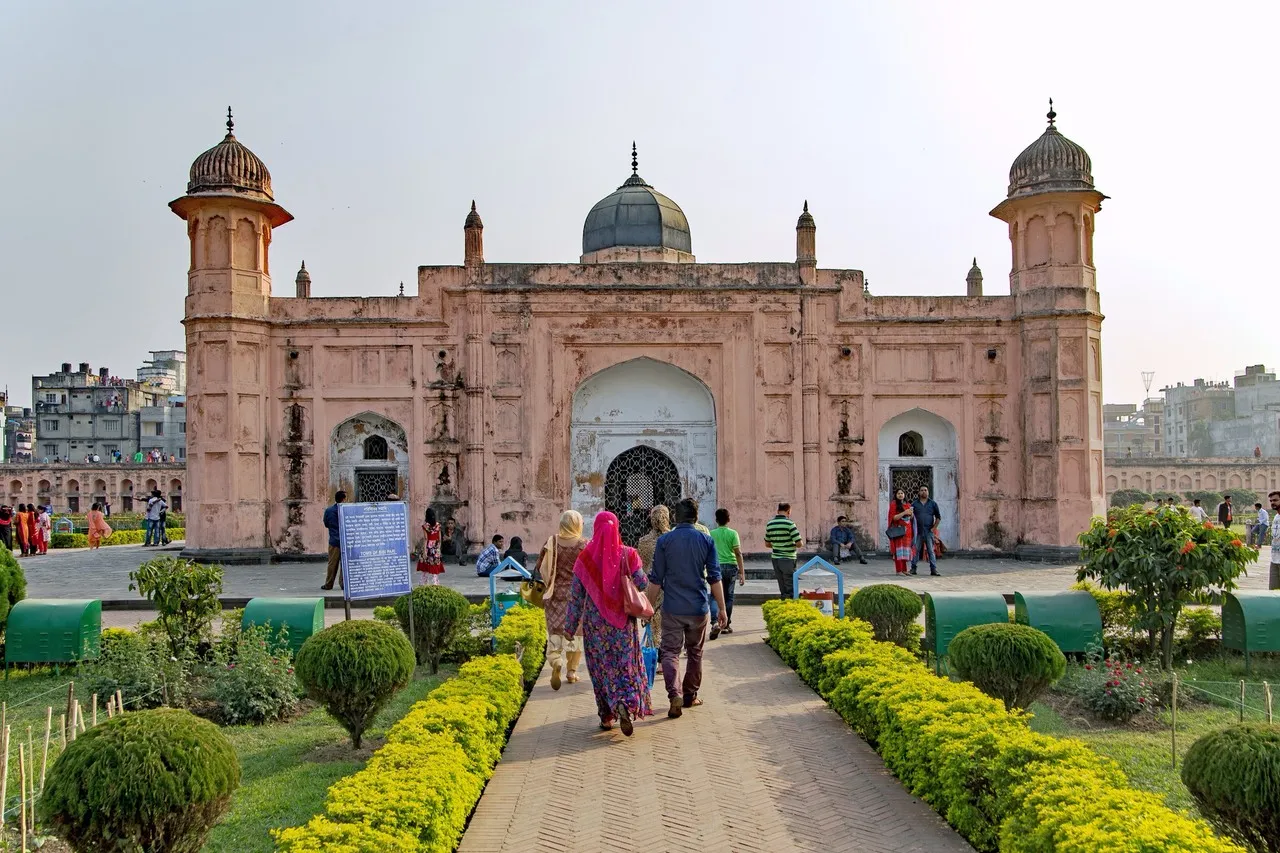
View the domed marble mausoleum from the exterior platform, noting the corner towers

4
Explore the Diwan-i-Aam and museum

Explore the Diwan-i-Aam and museum

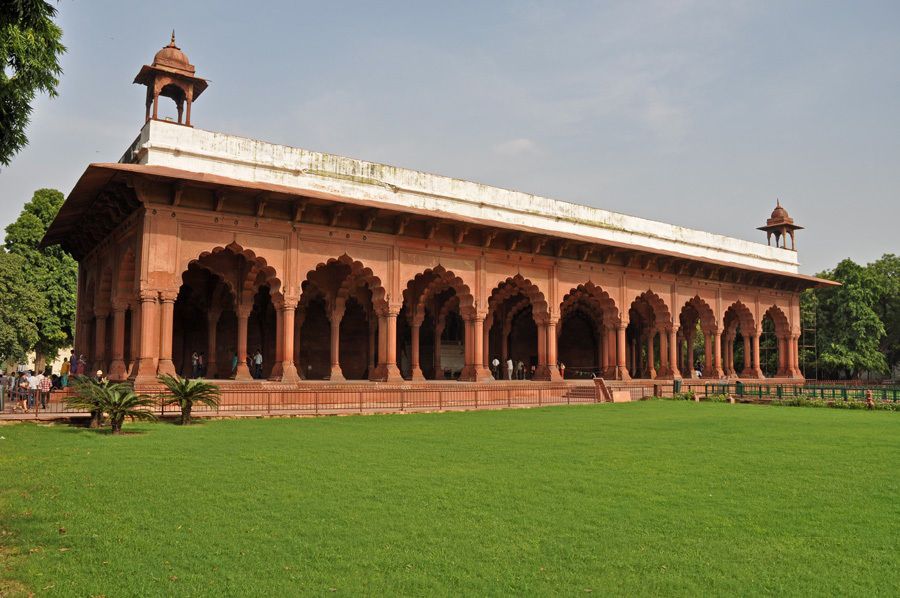
Tour the former audience hall, now housing Mughal-era artifacts, manuscripts, and weaponry

5

See the hammam ruins

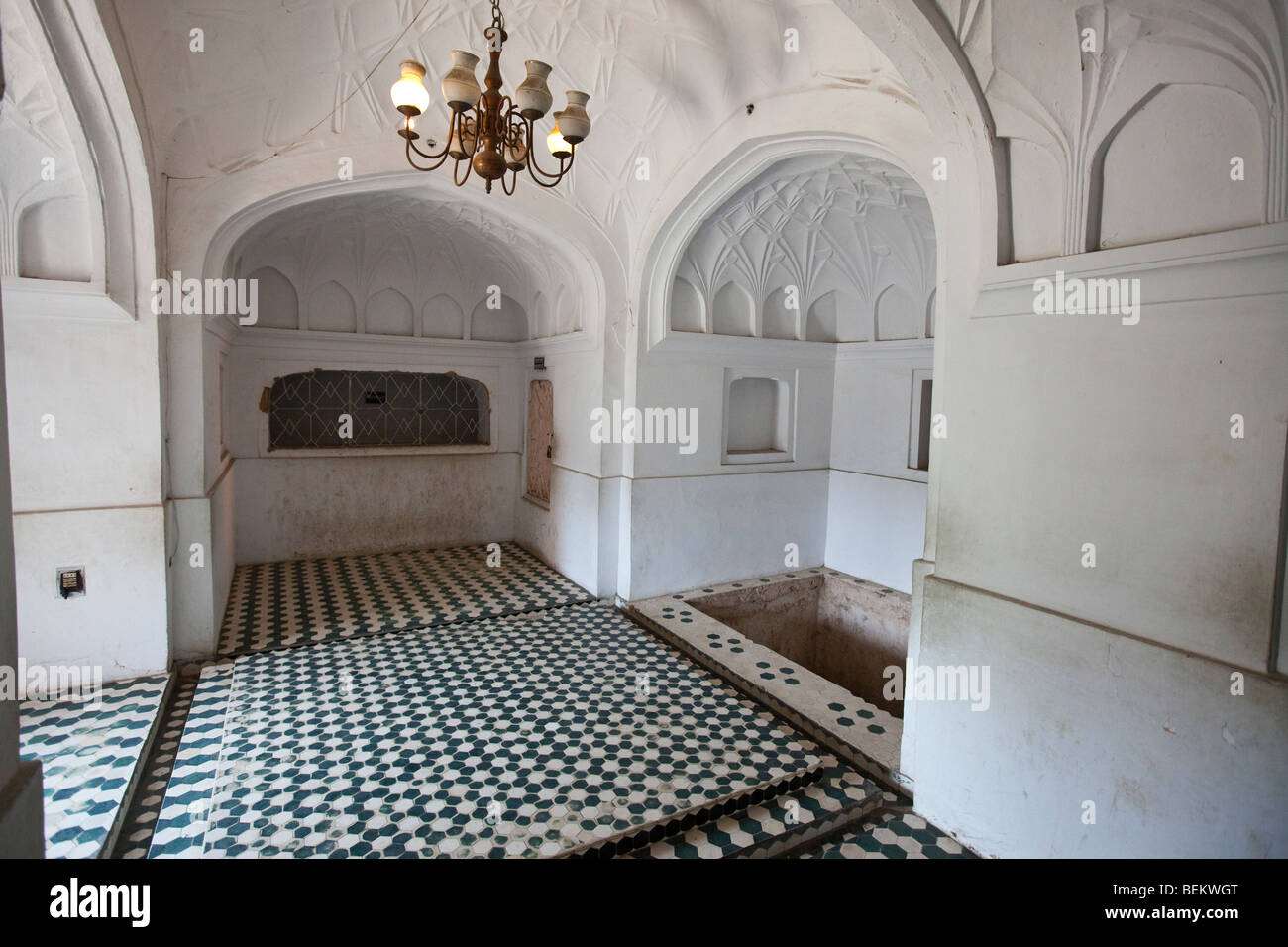
Walk past the excavated bath-house foundations near the western wall

6

Exit via the garden path

Return to the main gate past the fountain and lawns for departure

What you'll see

What you'll see at Lalbagh Fort

Tomb of Pari Bibi

Tomb of Pari Bibi

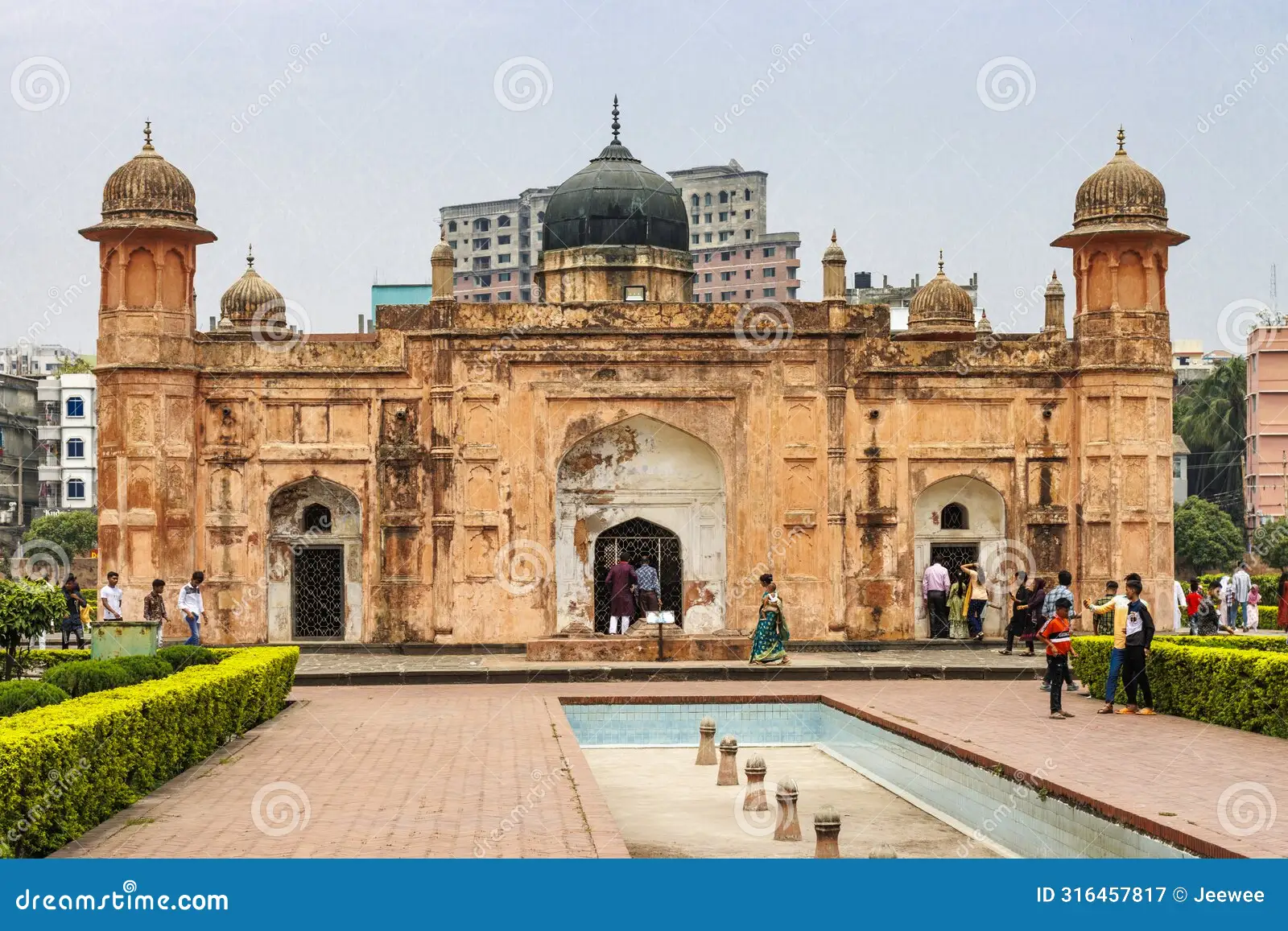
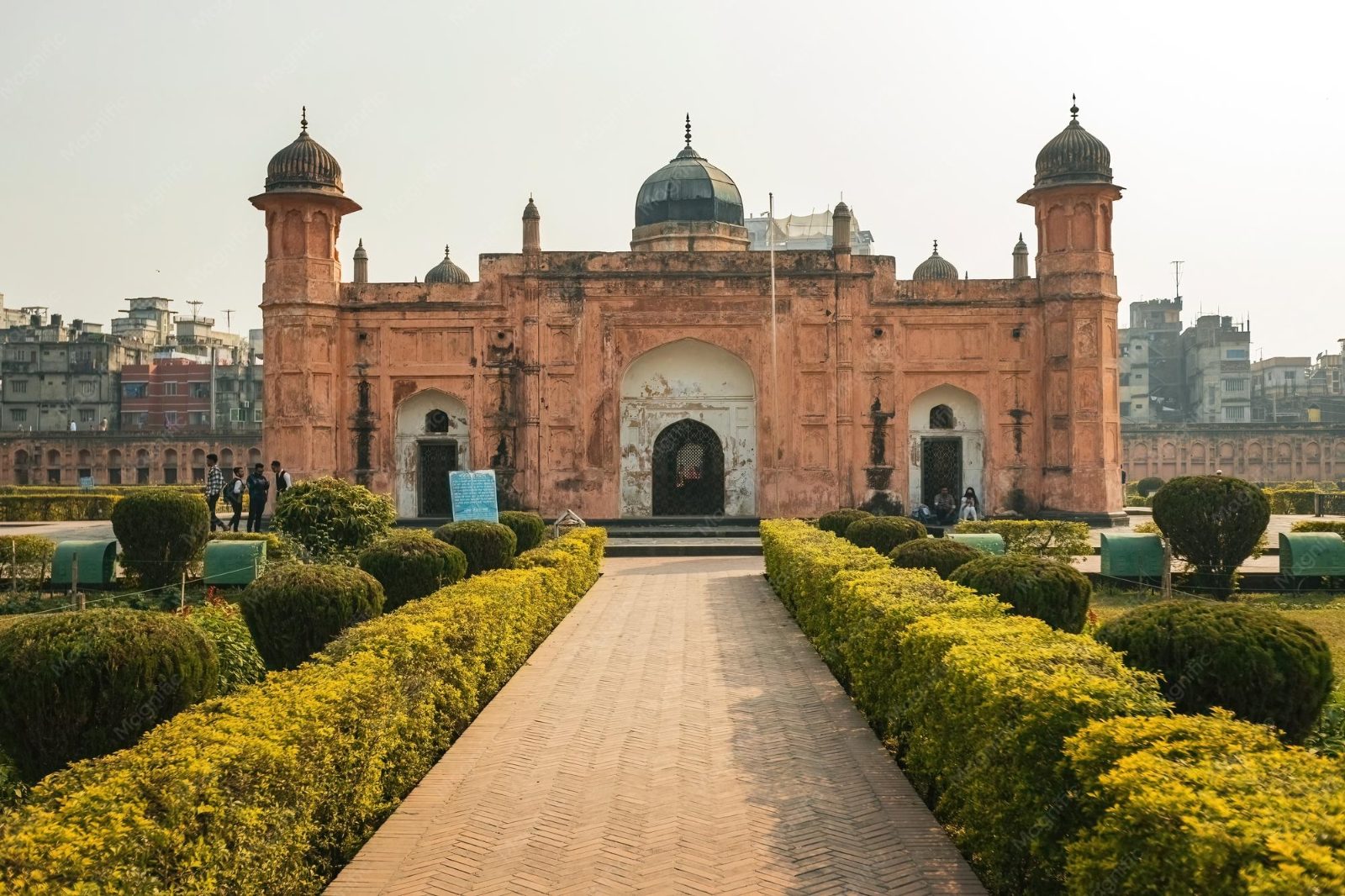
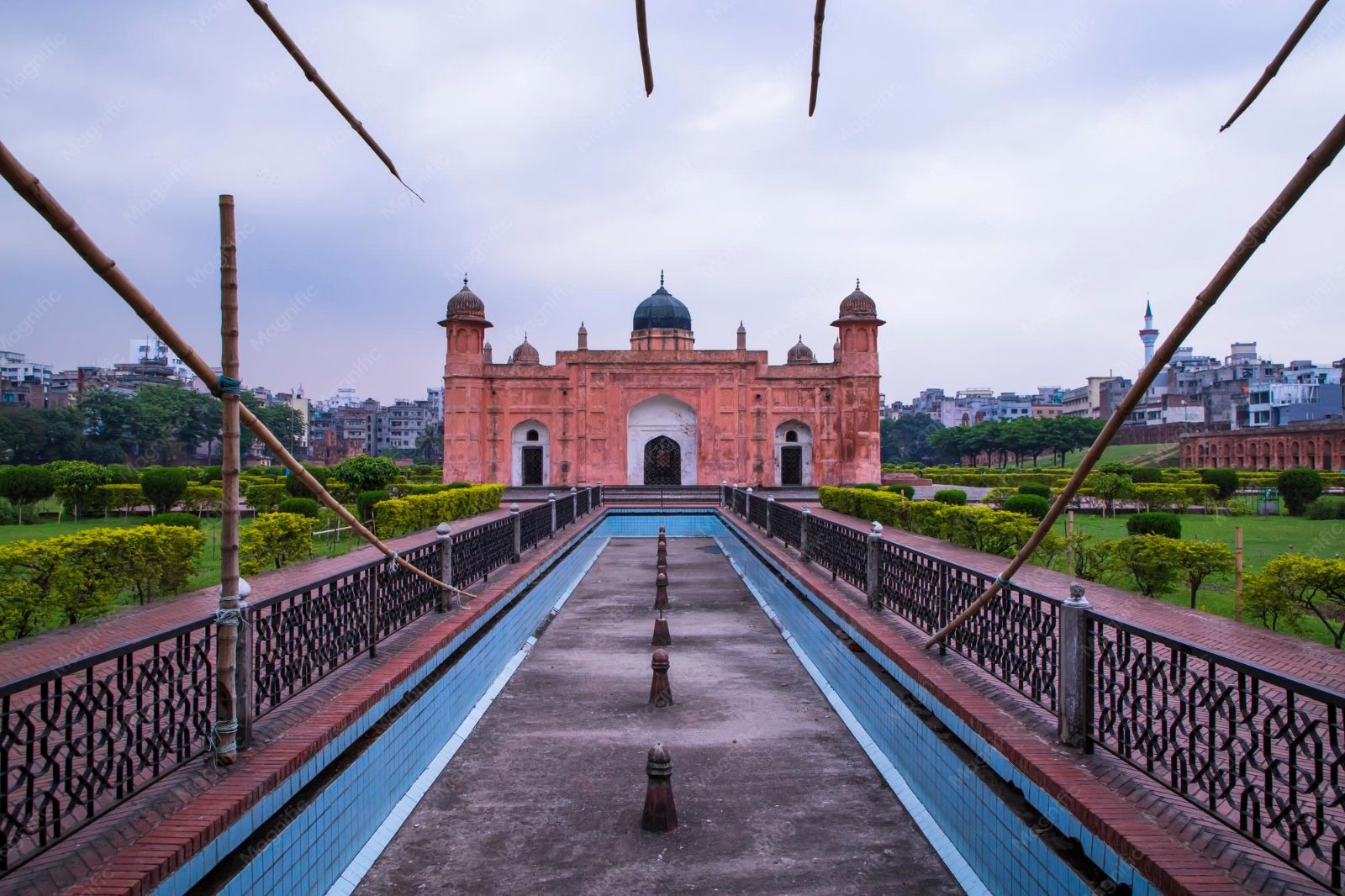
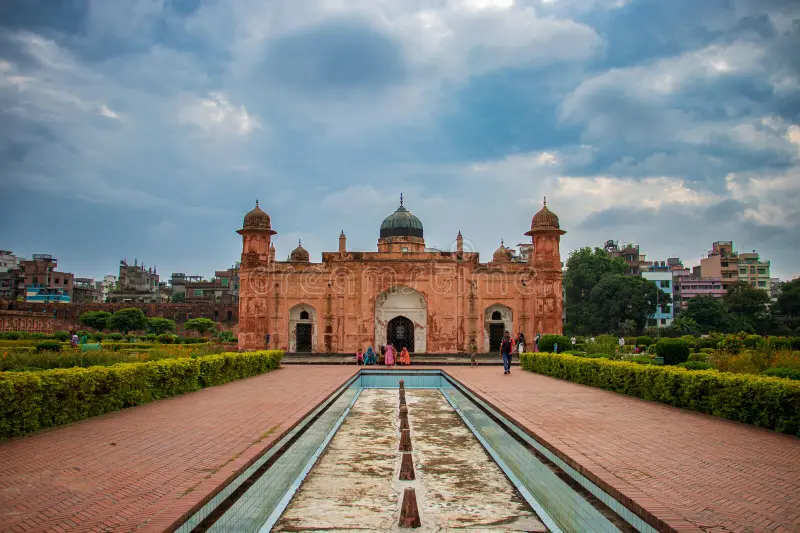
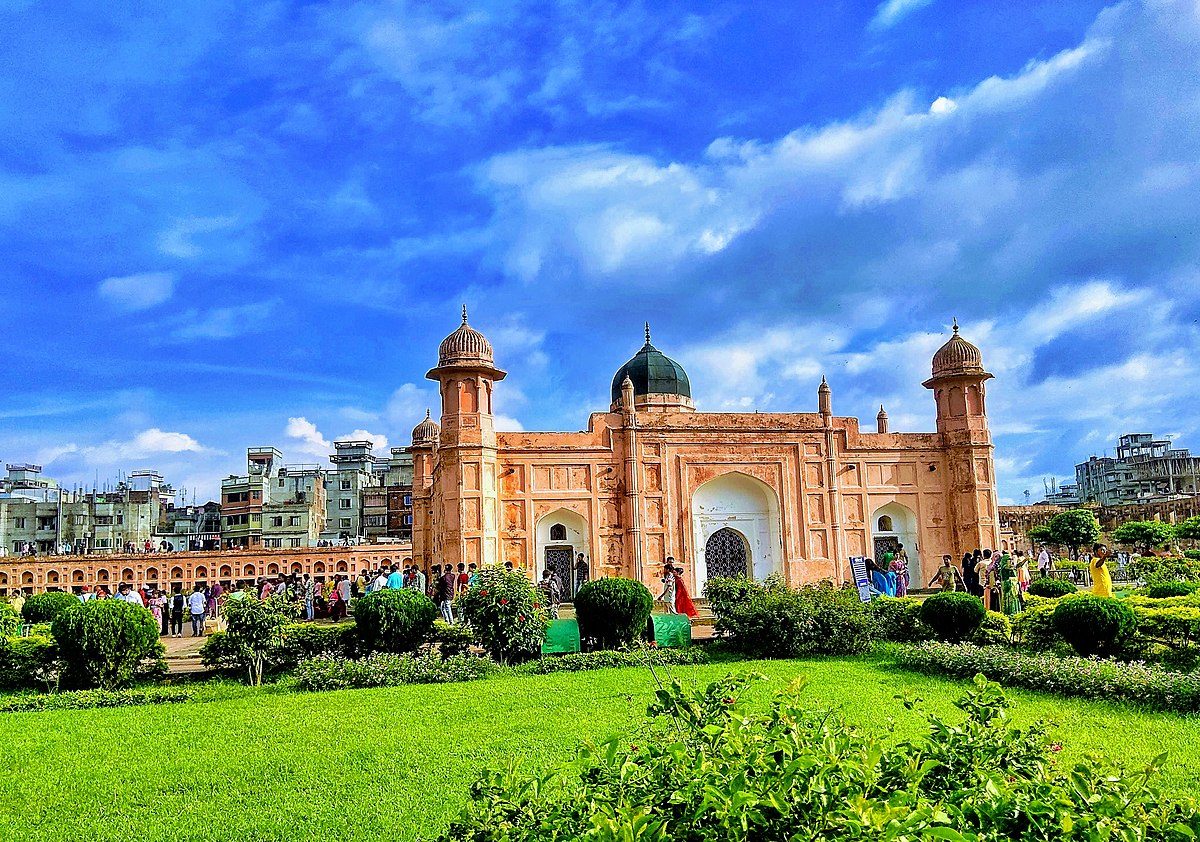
A marble and sandstone mausoleum built for Pari Bibi, daughter of Mughal governor Shaista Khan, featuring three-story octagonal corner towers topped with onion-shaped domes. The central chamber's marble floor and walls are inlaid with intricate geometric patterns unusual for Mughal architecture in Bengal.

Diwan-i-Aam

Diwan-i-Aam

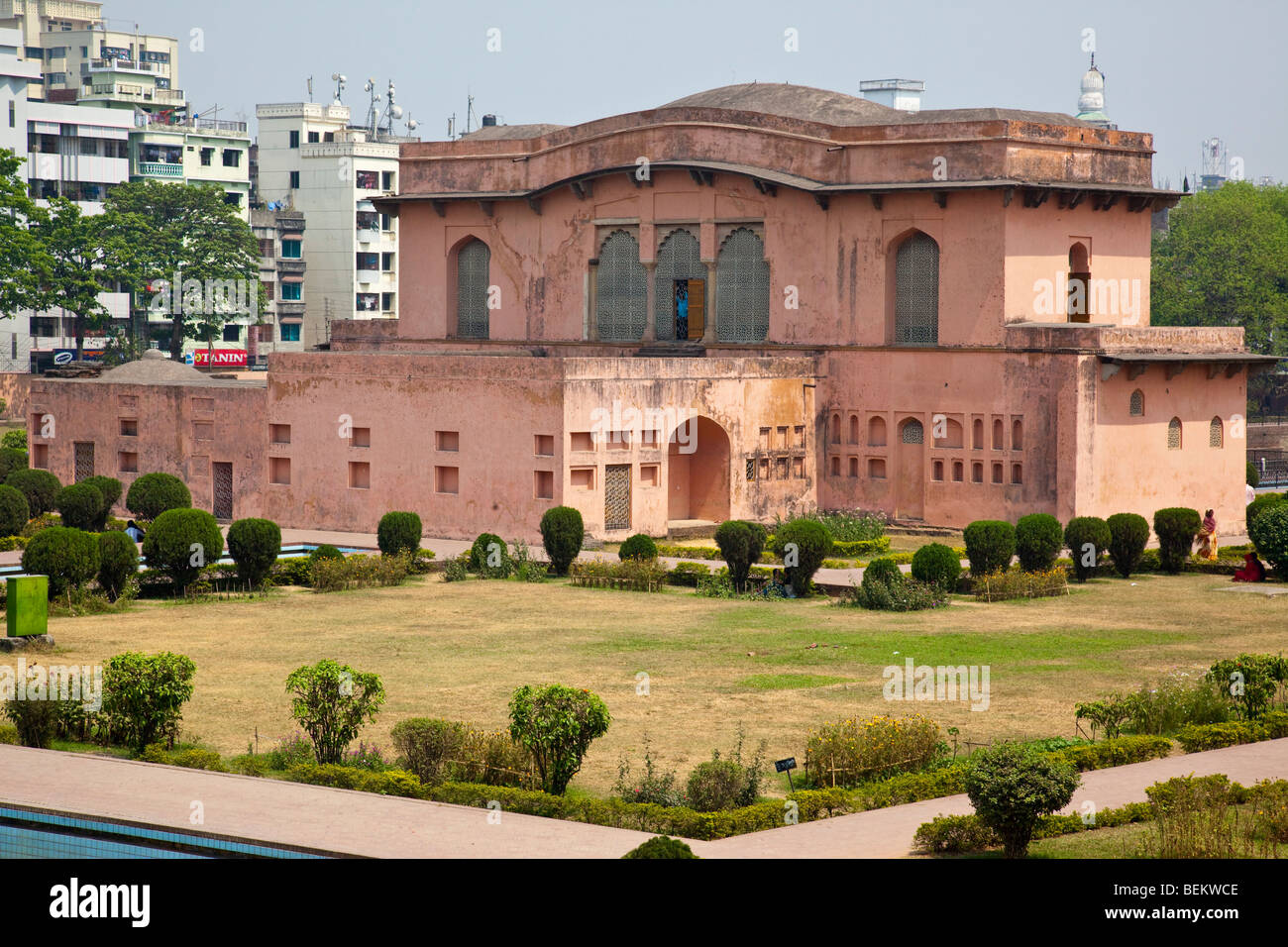
The former audience hall where the Mughal subedar of Bengal once received petitioners and conducted state business, now converted into the Lalbagh Fort Museum. Its ground floor is lined with columned arcades opening onto a garden-facing veranda, and the building has housed the museum's collection of Mughal-era weapons and manuscripts since 1985.

Hammam of Shaista Khan

Hammam of Shaista Khan

The ruined foundations of a Mughal-era bath house once used by the fort's governor, showing the layout of hot and cold water chambers built with a hypocaust-style heating system beneath the floor. Excavations at the site revealed terracotta water pipes still partially intact after more than three centuries.

Central Garden and Fountain Terrace

Central Garden and Fountain Terrace

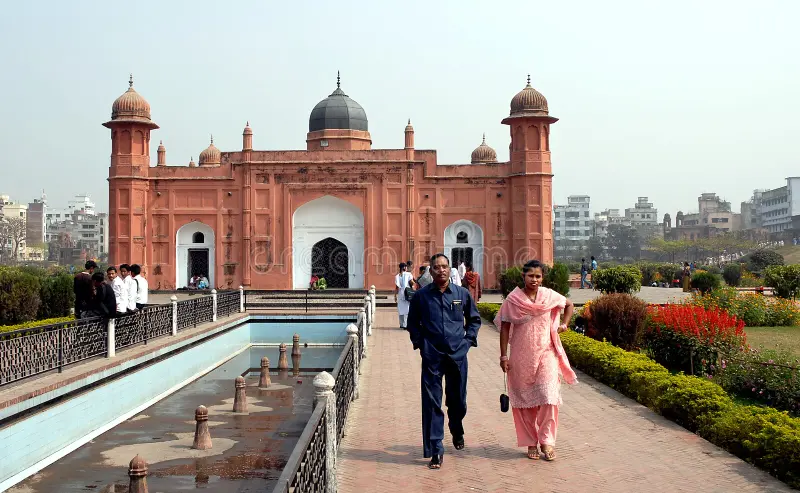
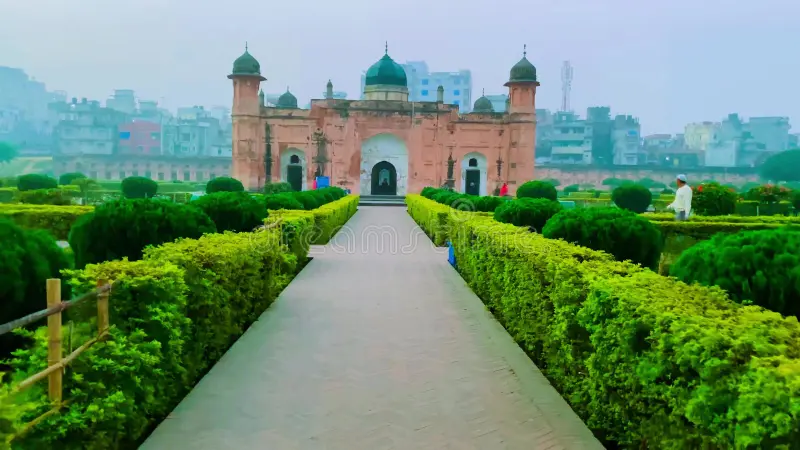
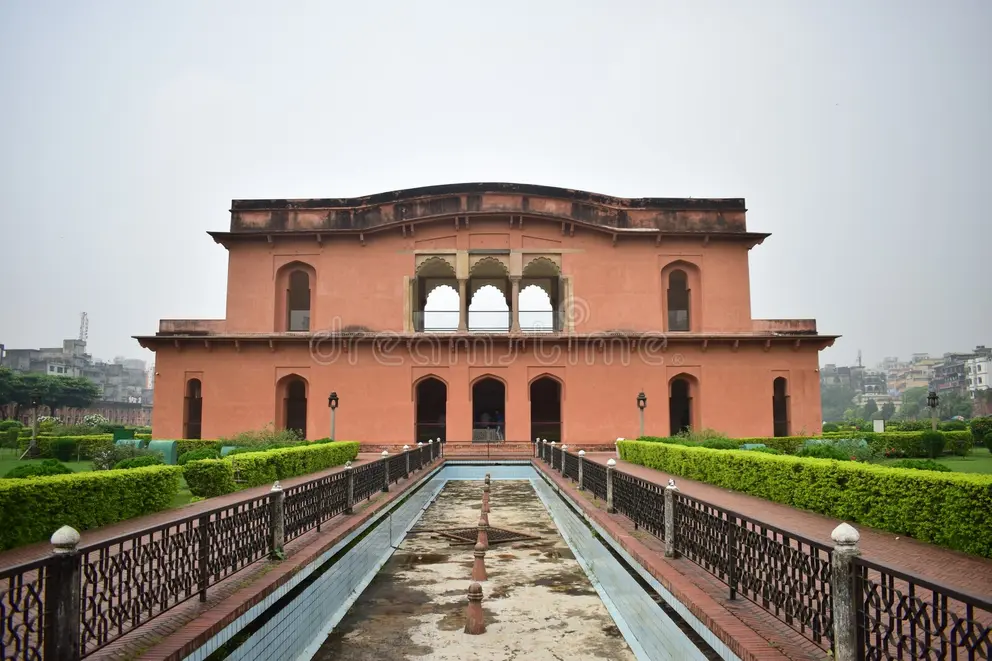
A formal Mughal-style garden with a straight paved walkway connecting the main gate to the tomb, lined with fountains and manicured lawns designed in the classic charbagh quadrant layout. The garden's water channels were engineered to feed several fountains simultaneously using gravity alone.

Unfinished Southern Gate

Unfinished Southern Gate

One of the fort's three original gateways, left incomplete after construction halted following the 1684 death of Bibi Pari, an event that is said to have caused Shaista Khan to abandon further work on the fort. Only two of the fort's three gates remain functional for entry today.

Fort Perimeter Wall and Bastions

Fort Perimeter Wall and Bastions

The fort's outer wall retains sections of its original corner bastions and ramparts, built with thick brick masonry designed for defensive lookout rather than active combat use. Sections of the wall show erosion from centuries of exposure to the Buriganga river's humid climate.

The experience

What visiting Lalbagh Fort is really like

You come up Lalbagh Road and the noise drops the moment the gate closes behind you. Arrive between 09:00 and 11:00 — the gate opens at nine, the air is still bearable, and the paths are close to empty before the midday break clears the grounds.

Read more Show less

You walk the central axis first. Ahead of you, at the meeting of the water channels, stands the tomb of Pari Bibi, black basalt at the base and white marble above. You circle it clockwise, then take the short flight up into the Diwan-i-Aam on the western side. Inside, you move through four small museum rooms — coins, swords, Mughal miniatures, a section of carpet — and out onto the upper verandah, where the whole charbagh garden lies below you in rectangles.

You drop back down to the hammam and look at the channels cut into the floor, then follow the curtain wall south toward the three-domed mosque, where you take your shoes off if you go in. By eleven the light has hardened and the school groups have arrived. You leave through the same gate, and Old Dhaka resumes at full volume within ten paces. Your Lalbagh Fort Tickets cover all three buildings, so nothing on the axis needs a second payment.

Lalbagh Fort Tickets
Everything You Need to Know

Your complete Lalbagh Fort guide

All the details about your upcoming adventure in one place

Visiting the Mughal Fort: Lalbagh Fort Tickets

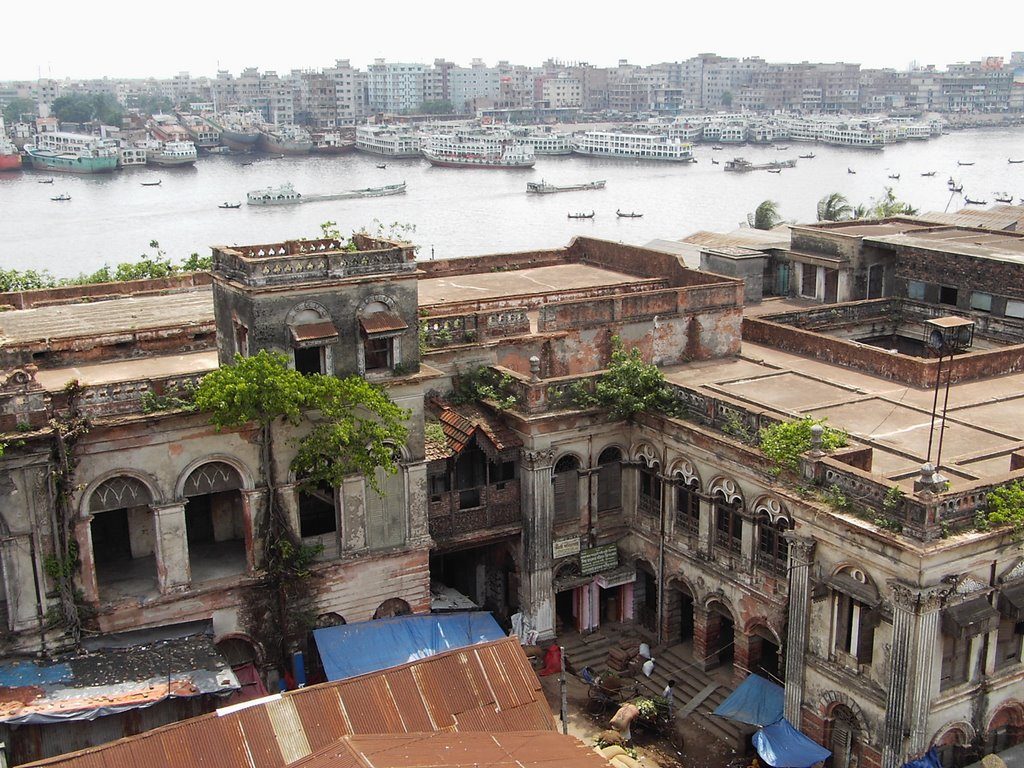
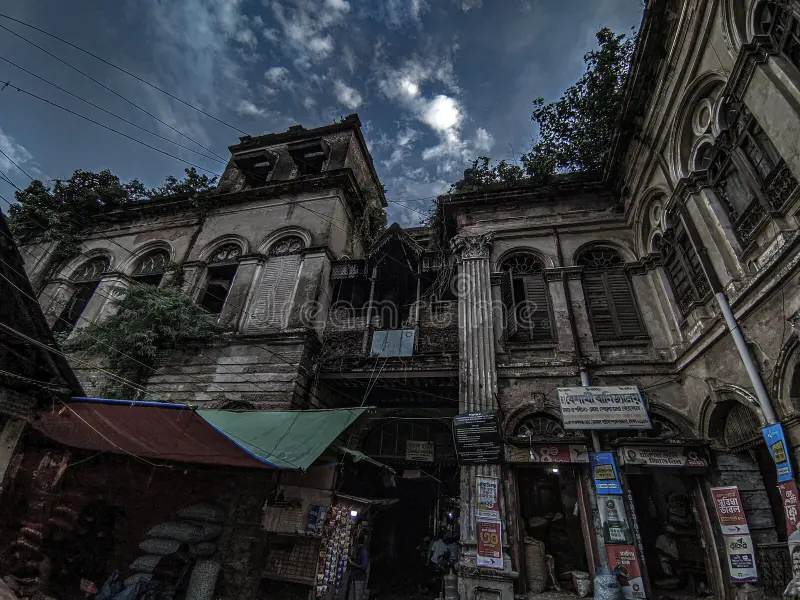
Set behind high walls in Old Dhaka, this unfinished Mughal complex holds the Diwan-i-Aam audience hall, a three-domed mosque, and a walled garden laid out around water channels and fountains. Lalbagh Fort Tickets tours draw visitors to the small museum inside the Nawab's residence, where Mughal weaponry, calligraphy and coins are displayed. The site sits under the Department of Archaeology, and the Lalbagh Fort Tickets tour route follows paved paths connecting the three main structures.

The fort was abandoned before it was finished. Prince Muhammad Azam Shah began the complex in 1678 and left Dhaka within a year, summoned south by his father Aurangzeb; his successor Shaista Khan halted work after a death in the family, and the walls stopped where they stood.

What survives is therefore a fragment — three principal structures, a water tank, and a curtain wall — rather than the citadel that was drawn. Visitors arriving on Lalbagh Fort Tickets tours are walking through an intention, not a completion.

That incompleteness is precisely why the site matters in modern Dhaka. Old Dhaka has been built over continuously for four centuries; the fort is one of the few enclosures where the Mughal grid is still legible against the rickshaw grid outside it. The Department of Archaeology restored the compound through the twentieth century and opened the Diwan-i-Aam as a small museum, where Mughal miniatures, coins, carpets, and calligraphy are kept behind glass. The gardens are formal in the charbagh manner, with channels and fountains reconstructed from excavated foundations rather than guessed at.

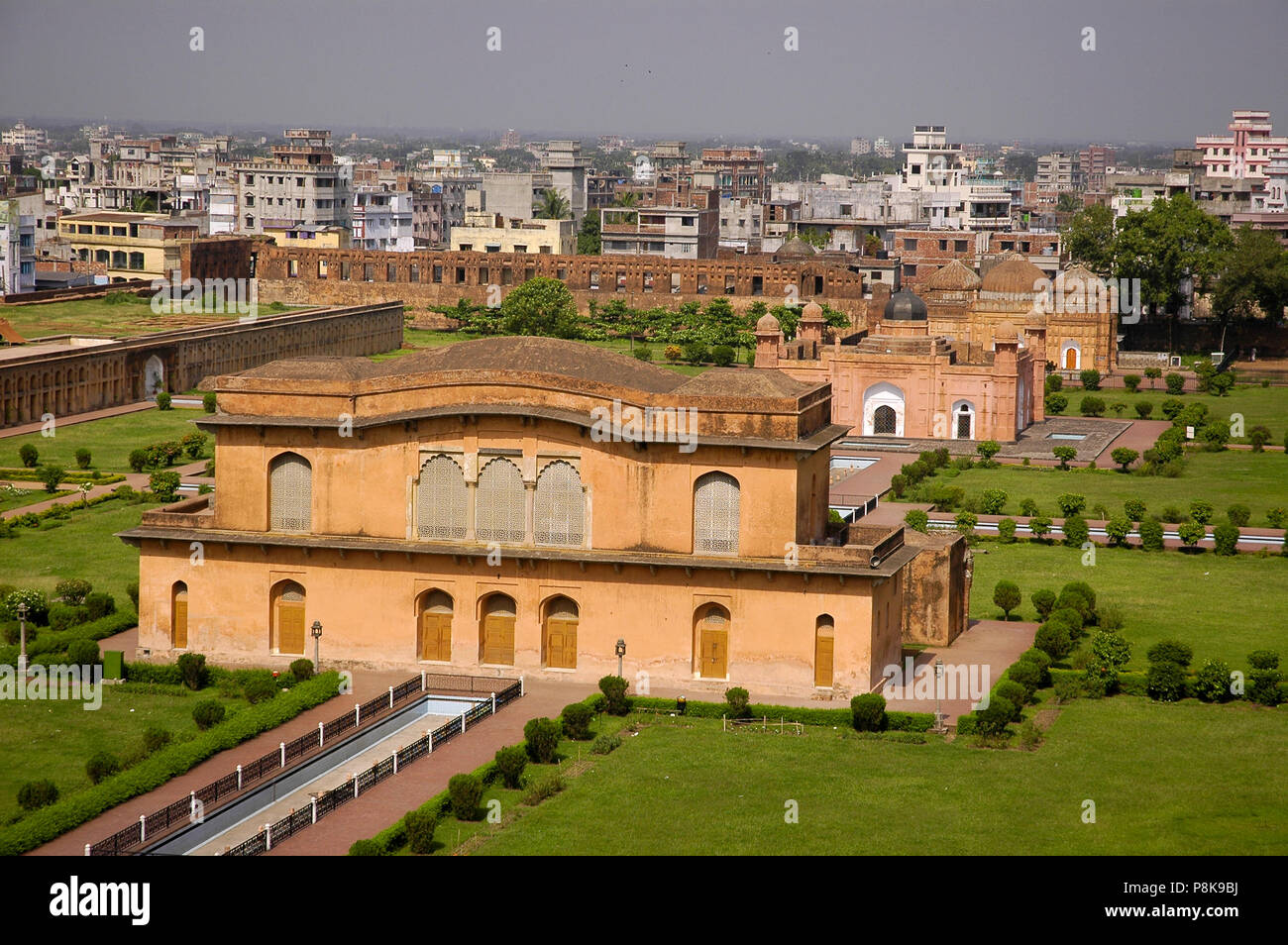
Architecturally, the three buildings answer one another. The Diwan-i-Aam, the governor's residence and hall of audience, is a two-storey structure with a hammam attached — the bathhouse still shows its water channels and the underfloor heating arrangement. The tomb of Pari Bibi sits at the centre of the axis, faced in black basalt, white marble, and glazed tile, its false dome once plated in copper and now finished in a duller metal. The three-domed mosque to the west, built in 1649 by an earlier hand, predates the fort itself and remains in use for prayer. Together they demonstrate the provincial Mughal idiom in Bengal: heavier proportions than Agra or Delhi, deeper eaves for rain, brick where the north would have used stone.

The compound covers roughly 18 acres above the old bank of the Buriganga, high ground chosen for defence and drainage. Its subterranean passages have generated a century of rumour and no confirmed exit. Foreign visitors pay 200 BDT per person, and Lalbagh Fort Tickets tickets cover the gardens, the museum, and the mosque courtyard alike.

For anyone assembling a route through Old Dhaka landmarks, this walled rectangle is the anchor point — the place where the city's Mughal century stopped mid-sentence and has stayed that way ever since. Lalbagh Fort Tickets remain among the most straightforward heritage admissions in Bangladesh.

The walls stopped where they stood, and the fort has been an intention ever since.

Dress code

Modest clothing is recommended, covering shoulders and knees, since Lalbagh Fort is a former Mughal residence and mausoleum complex with religious significance tied to the Tomb of Pari Bibi. Lightweight, breathable fabrics are practical given Dhaka's humid summer climate, and closed-toe shoes help on the fort's uneven brick paths and stone steps.

Bags & security

A basic bag check is conducted at the main gate on Lalbagh Road before entry, and large backpacks or suitcases may be asked to be left with gate staff. Security presence is light compared to national monuments elsewhere in Dhaka, but visitors should keep valuables secured while moving between the Diwan-i-Aam, the museum, and the garden terraces.

Photography

Personal photography and smartphone photos are permitted throughout the garden, the Tomb of Pari Bibi exterior, and the Diwan-i-Aam. Photography inside the Lalbagh Fort Museum galleries housed in the Diwan-i-Aam is restricted in some rooms, and tripods or commercial camera gear require separate permission from the Department of Archaeology staff on-site.

Families & strollers

Children under 5 are admitted free, and the open lawns between the Diwan-i-Aam and the tomb give younger visitors room to walk without crowding. There is little shade over the central garden, so families should plan around the cooler 09:00–11:00 window rather than the midday heat.

Accessibility

The fort complex sits on raised brick platforms connected by uneven pathways and shallow steps, making wheelchair and stroller access difficult in several sections, particularly around the Tomb of Pari Bibi and the hammam. There are no dedicated ramps or accessible restrooms, so visitors with mobility limitations should plan for assistance on the garden paths.

Food & drink

Food and beverages are not permitted inside the museum galleries within the Diwan-i-Aam, though bottled water is generally allowed across the outdoor garden areas. There are no cafes or food stalls inside the fort walls, and the ticket counter accepts cash only, so visitors should carry small notes for entry.

Not allowed

× large backpacks × tripods without permission × drones × food inside the museum galleries × glass containers × sharp objects × weapons of any kind × climbing on the tomb structures × touching carved reliefs × smoking materials × loudspeakers × pets × littering × flash photography inside galleries

What to bring

✓ cash for the ticket counter ✓ sun hat or umbrella ✓ bottled water ✓ comfortable closed-toe shoes ✓ light cotton clothing ✓ hand sanitizer ✓ small day bag

Opening hours

Mon 13:30 – 17:00

Half-day only, afternoon session

Tue 09:00 – 13:00,13:30 – 17:00

Full day, standard hours

Wed 09:00 – 13:00,13:30 – 17:00

Full day, standard hours

Thu 09:00 – 13:00,13:30 – 17:00

Full day, standard hours

Fri 09:00 – 12:30,14:00 – 17:00

Extended midday break for prayers

Sat 09:00 – 13:00,13:30 – 17:00

Busiest weekend day

Sun Closed

Weekly closure day

How to get there

Closures & exceptions

  • ·Every Sunday — Weekly closure
  • ·Eid holidays — Government holiday closure
  • ·Jan 1 — New Year's Day closure varies

At a glance

Hours

Tue–Sat 09:00–13:00 & 13:30–17:00, Fri 09:00–12:30 & 14:00–17:00, Mon 13:30–17:00, closed Sun

Opening hours

09:00 – 13:00,13:30 – 17:00

Getting there

City-center access via metro and bus

Accessibility

Most experiences are wheelchair-friendly — check individual tours

What to bring

Comfortable shoes, water, phone for mobile voucher

Getting there

Public transport · 30–60 min from central Dhaka depending on traffic · Bus fare typically under 30 BDT

Local buses running through Old Dhaka stop near Lalbagh Road; ask for the Lalbagh Fort or Chawk Bazar stop and walk 5–10 minutes to the main gate

Car · 30–50 min from Gulshan or Motijheel · Rideshare fare varies with traffic, usually 150–400 BDT

Rideshare or private car via Nawabpur Road and Lalbagh Road; parking is informal and limited on side streets near the fort

Taxi · 30–45 min from Dhanmondi or Motijheel · Fare typically 200–500 BDT depending on distance

Metered or app-based taxis from major Dhaka hotels drop passengers directly at the Lalbagh Road gate

Walk · 10–20 min from Chawk Bazar · No cost

Feasible only from within Old Dhaka neighborhoods such as Chawk Bazar or Azimpur, along narrow, congested streets

Cancellation policy

Lalbagh Fort Tickets are sold on-site at the gate counter and are non-refundable once purchased, since no advance online booking or reservation system is offered. Visitors who arrive after the midday closure (13:00–13:30, or the extended Friday break) must wait for the afternoon session to reopen; no partial refund is issued for missed sessions.

Plan your time

Planning Your Lalbagh Fort Tickets Visit: Timing and Duration

Recommended time

2-3 hours

Booking Lalbagh Fort Tickets for the 09:00 arrival puts you inside as the gate opens, ahead of the midday heat and the bulk of the day's foot traffic, and roughly two hours is enough to walk the gardens, step into the Diwan-i-Aam museum, and linger at Pari Bibi's tomb without feeling rushed. Add thirty minutes if a caretaker-led walkthrough or the small museum's exhibits catch your interest, or if you want time to photograph the grounds before they fill in. The queue at opening is short, since most of Old Dhaka's foot traffic hasn't arrived yet, but it thickens fast once the late-morning slot before the 13:00 break sets in. The afternoon reopening after 13:30 draws a calmer but warmer crowd, better suited to a shorter, more relaxed lalbagh fort tickets tour if mornings don't fit your schedule.

Crowd levels through the day

Gate opening (9:00-9:30) Light
Mid-morning (9:30-11:00) Moderate
Late morning (11:00-13:00) Heavy
Midday closure (13:00-13:30) Closed
Early afternoon reopening (13:30-15:00) Moderate
Late afternoon (15:00-17:00) Light-Moderate
Plan ahead

Best time to visit Lalbagh Fort

Weather · crowds · average price — dots go green to amber to red as each metric rises.

Winter (Dec–Feb)

Daytime temperatures sit around 20–26°C, making this the most comfortable season to walk the garden and tomb grounds without heat fatigue. Crowds are moderate, with weekend afternoons busier than weekday mornings.

Summer (Mar–May)

Temperatures climb to 33–36°C with high humidity, so the 09:00–11:00 window becomes essential to avoid midday heat. School holidays in this period can bring more domestic family visitors.

Monsoon (Jun–Sep)

Heavy rainfall is common, and the open garden paths can flood or become slippery, so visits are best planned around forecast dry spells. Crowds thin out noticeably during steady rain.

Autumn (Oct–Nov)

Humidity drops and temperatures moderate to around 27–31°C, giving a comfortable balance of clear skies and manageable crowds. This is a favorable shoulder season for garden photography.

Insider tips

Helpful tips for visiting Lalbagh Fort

Bring exact cash

The ticket counter for Lalbagh Fort Tickets only accepts cash, and there are no ATMs inside the complex, so carry small denomination notes for the 200 BDT foreign visitor fee.

Check the day before you go

Since Monday hours run afternoon-only and Sunday is a full closure, confirm the day of the week before planning a Lalbagh Fort Tickets tour to avoid a wasted trip.

Wear sun protection

Much of the central garden has no shade cover, so a hat and sunscreen make a real difference during the hotter months.

Watch your footing

Brick pathways and stone steps around the Tomb of Pari Bibi and hammam ruins are uneven in places, so sturdy shoes reduce the risk of a trip or fall.

Combine with Old Dhaka sites

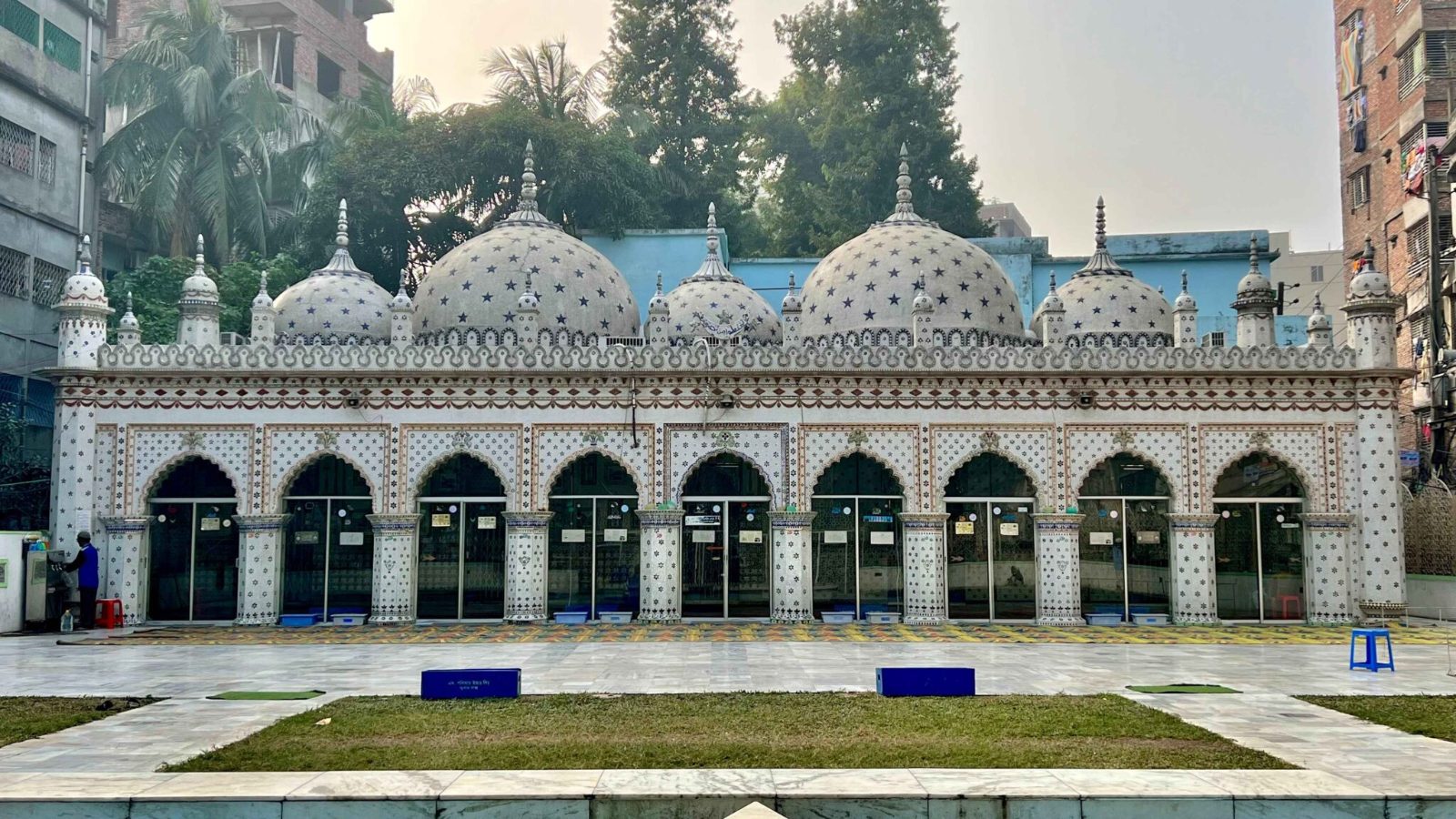
Star Mosque and Chawk Bazar are both within a short walk, making it easy to pair a Dhaka landmarks route with the fort visit.

Respect the museum's photo rules

Some rooms inside the Diwan-i-Aam museum restrict photography, so check with on-site staff before using a camera indoors.

Mind the Friday schedule

Friday hours shift to accommodate midday prayers, with a longer break between 12:30 and 14:00, so plan around this if visiting on a Friday.

Where to meet

Lalbagh Fort meeting points

Main southern gate

Main southern gate

Lalbagh Road, Lalbagh, Dhaka 1211, Bangladesh

Ticket counter and bag check located just inside this entrance

Get directions
Diwan-i-Aam entrance

Diwan-i-Aam entrance

Inside the fort complex, facing the central garden

Common gathering point before museum tours begin

Get directions
The story

The History Behind Lalbagh Fort Tickets: An Unfinished Mughal Story

Construction began in 1678. Prince Muhammad Azam, third son of Emperor Aurangzeb, was then Subahdar of Bengal. He laid out a walled complex on the northern bank of the Buriganga, intending a fortified palace-garden of the kind favoured across Mughal Hindustan. The site was called Aurangabad Fort. Within a year the prince was recalled to Agra to assist his father in the Rajput campaign. He never returned. The unfinished walls passed to his successor, Shaista Khan, who arrived as Subahdar in 1680 and resumed the work. Visitors buying Lalbagh Fort Tickets today walk through a plan that was never completed as drawn. The halt came in 1684. Pari Bibi — Iran Dukht, daughter of Shaista Khan and betrothed to Prince Azam — died within the fort. Her father, according to long tradition, judged the ground inauspicious and abandoned construction rather than continue. He interred her beneath a domed tomb at the centre of the compound, faced in black basalt and white marble, its inner chamber lined with imported stone. The mausoleum remains the finest surviving structure on the site. Shaista Khan left Bengal in 1688. The Diwan-i-Aam, the Quilla Mosque and the hammam survived; the projected southern and eastern ranges did not. Guides on a Lalbagh Fort Tickets tour still point to wall lines that stop without explanation. The Mughal garrison dwindled through the eighteenth century, and the complex fell into disuse. The name Lalbagh — "red garden" — displaced Aurangabad in nineteenth-century usage. In 1857 sepoys of the 73rd Native Infantry took refuge here during the Bengal uprising; British forces stormed the compound, and the episode left the fort under colonial military control. The Archaeological Survey later assumed responsibility, and the Department of Archaeology of Bangladesh now administers the site as a protected monument, with conservation of the hammam and Diwan-i-Aam museum ongoing. What survives is a fragment held in careful repair: three principal buildings, a water tank, a fortified southern gateway and the remains of the curtain wall. Lalbagh Fort Tickets tickets are issued at the Lalbagh Road gate, and the standard fee for foreign adult visitors is 200 BDT per person. Among Dhaka landmarks, few reward slow attention so directly. Morning is the sensible arrival: 09:00–11:00, when the gate has just opened and the courtyards are still cool. Guided Lalbagh Fort Tickets tours concentrate on the tomb.

1678

Prince Muhammad Azam begins the fortified palace complex, then named Aurangabad Fort.

1679

Azam is recalled to Delhi by Aurangzeb, leaving the works incomplete.

1680

Shaista Khan, appointed Subahdar of Bengal, resumes construction of the compound.

1684

Pari Bibi dies within the fort; her father halts building and entombs her at the centre of the site.

1688

Shaista Khan departs Bengal, and the unfinished fort is never extended further.

19th c.

The complex is renamed Lalbagh, and the earlier Aurangabad name falls out of use.

1857

Sepoys of the 73rd Native Infantry take refuge in the fort during the Bengal uprising before British forces retake it.

Present

The Department of Archaeology of Bangladesh maintains the site as a protected monument at Lalbagh Road, Dhaka 1211.

Photo spots

Best Photo Spots to Plan Around Your Lalbagh Fort Tickets

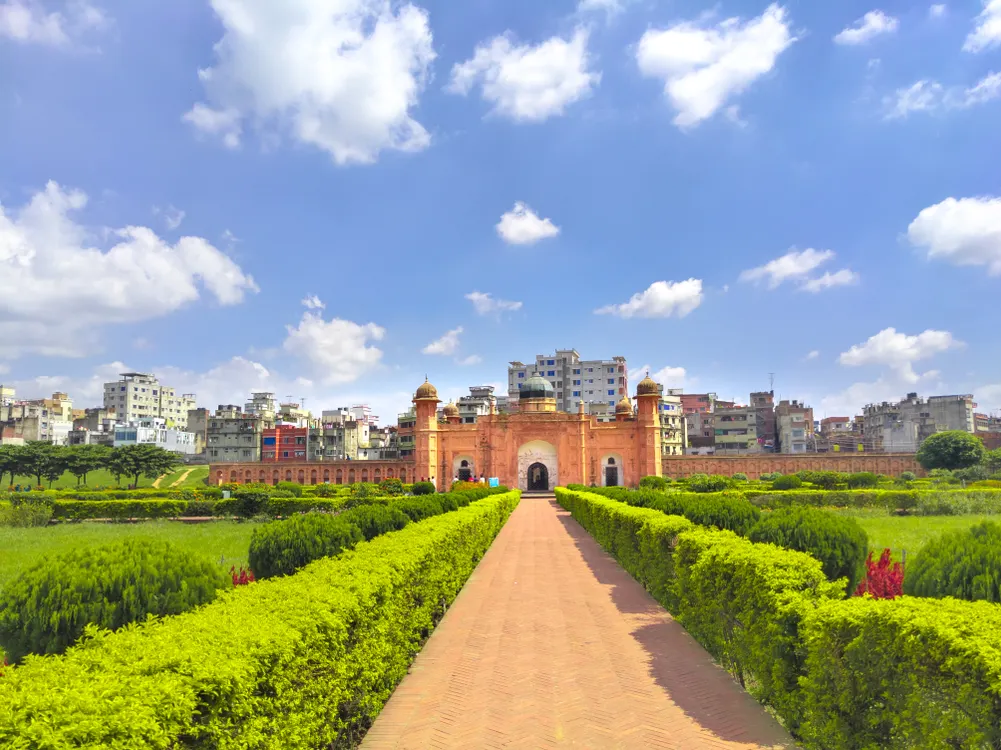
Southeast Main Gate

Southeast Main Gate

Best light · Before 09:00, soft morning light

The three-storied gateway with its arched entrance and flanking octagonal towers is the classic first-frame shot, best captured straight-on from the road before crossing into the fort grounds. Its symmetry and weathered brickwork make it a natural cover image for any Lalbagh Fort Tickets itinerary.

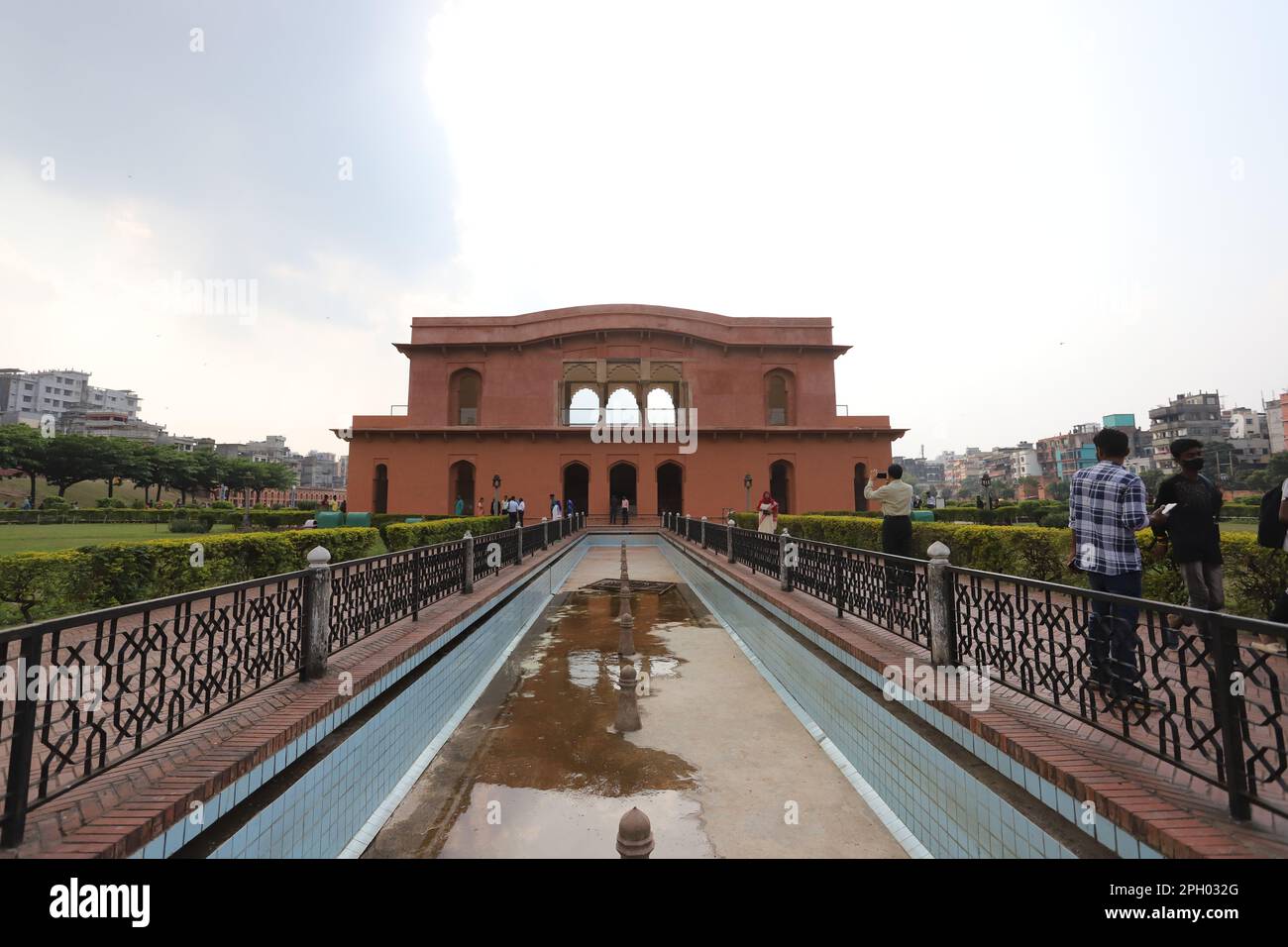
Water Channel and Square Tank

Water Channel and Square Tank

Best light · Golden hour, calm water

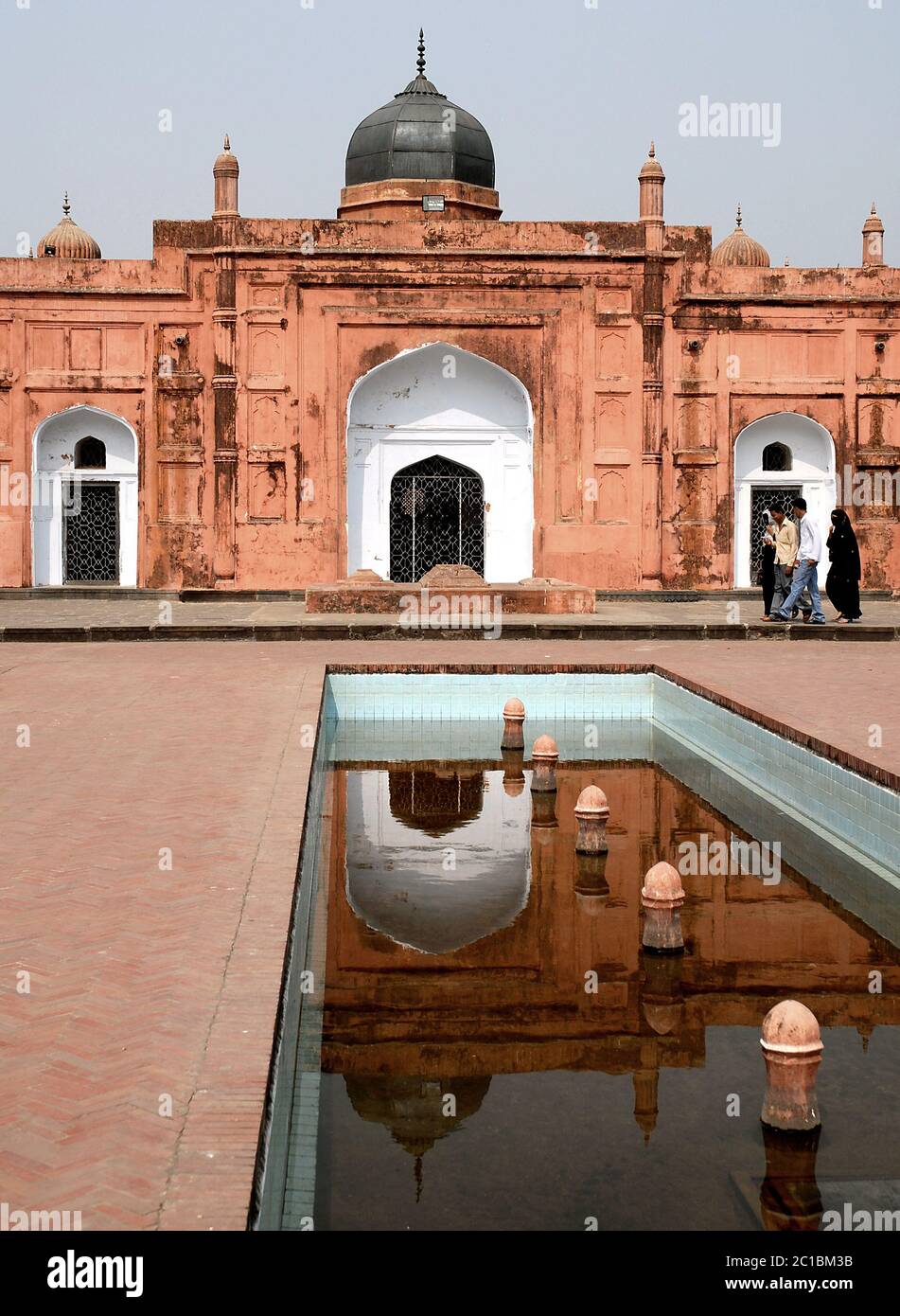
Stand at the eastern edge of the square tank facing Diwan-i-Aam and frame the fountains and channel running toward the Tomb of Pari Bibi for a straight axial shot. The four corner stairs descending into the tank add depth to a low-angle composition.

Tomb of Pari Bibi Interior

Tomb of Pari Bibi Interior

Best light · Midday for even interior light

Inside the octagonal-domed central chamber, the white marble walls and the surrounding eight rooms create a soft, even light ideal for close-up shots of the cenotaph and inlaid tile work. Access is through the south doorway, and the turrets are best photographed from the garden just outside.

Bibi Pari Turrets and Facade

Bibi Pari Turrets and Facade

Best light · Late afternoon, warm tones

From the garden path directly south of the tomb, the black basalt base, white marble upper section, and glazed tile turrets line up for a full-facade portrait. This is the most photographed exterior angle of the complex.

Central Garden Pathways

Central Garden Pathways

Best light · Early morning, before groups arrive

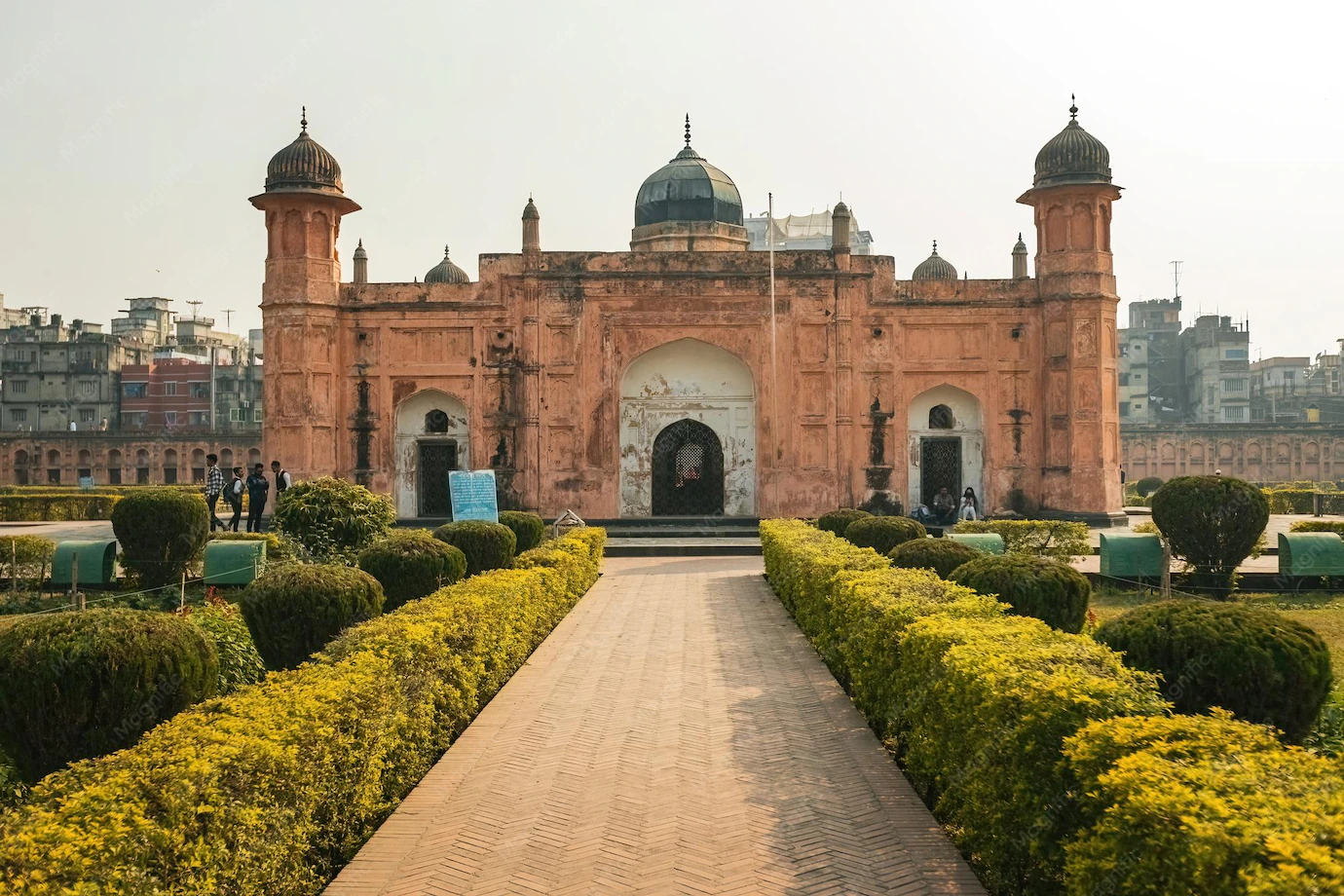
The manicured lawns and axial walkways between the mosque, tomb, and Diwan-i-Aam give a wide establishing shot of the whole layout, useful for travelers planning Lalbagh Fort Tickets around fewer crowds. Shooting from the northern lawn edge captures all three main structures in one frame.

Diwan-i-Aam Facade

Diwan-i-Aam Facade

Best light · Morning, still water reflection

The two-storied audience hall's arched facade and attached hammam wing photograph well from across the water channel, with the building's symmetry mirrored in the water when still.

Gallery

Moments from Lalbagh Fort

Food & drink

Where to Eat Near Lalbagh Fort Tickets in Old Dhaka

Lalbagh Fort Tickets do not include any dining venue inside the walls, so the real eating happens just outside the gate and along nearby Old Dhaka streets, from fuchka carts to century-old biryani houses. Most visitors save appetite for a proper Old Dhaka meal after the Lalbagh Fort Tickets tour rather than eating on-site.

Butter and Grace

$3-6

Café beside the gate

Sits right next to the fort entrance with a view back toward the ramparts. Good for chow mein, fried rice platters, and fried chicken between sightseeing and lunch. Fills up on weekend evenings.

Nanna Biriyani House

$3-5

Kacchi biryani — 5 min walk

Old Dhaka institution at Lalbagh Chowrasta known for kacchi biryani layered with basmati rice and caramelized onions. Expect a queue around lunchtime. Best for a sit-down plate after touring the fort.

Haji Biryani

$2-4

Historic biryani house

Old-school goat biryani spot near Nazira Bazar, running since 1939, served in traditional jackfruit-leaf parcels. Gets crowded fast and takeaway orders are common; go early or expect a wait.

Street food stalls

$0.50-1.50

Fuchka and chotpoti carts

Rows of carts near Lalbagh Road selling fuchka, chotpoti, and jhalmuri for a quick snack. Best for a fast bite between gate visits rather than a full meal; cash only and no seating.

Customer Reviews

What travelers say about Lalbagh Fort

Real experiences from real travelers

4.5
Based on 2,400 reviews
1 ★ 940
2 ★ 610
3 ★ 1450
4 ★ 4200
5 ★ 16800
R
Rifat H.
Bangladesh · 2026-06-14

Quiet Mughal morning

Reached the south gate just after opening and the lawns were still wet with dew. Lalbagh Fort Tickets were straightforward to buy at the counter and the queue moved in under ten minutes. The three-domed mosque catches the light beautifully from the eastern side.

A
Anna K.
Germany · 2026-05-02

Brick and basalt

The contrast between the ochre brickwork and the dark basalt on the Pari Bibi tomb is what stayed with me. Old Dhaka noise disappears the moment you pass the ramparts. A short Dhaka Lalbagh Fort tour with a local guide added a lot of context I would have missed.

Y
Yuki T.
Japan · 2026-04-18

Hot but rewarding

Visited near midday in April and the heat off the paving was heavy, so bring water. The hammam and Diwan-i-Aam interiors are cool and worth lingering in. Crowds were manageable on a weekday.

M
Marco B.
Italy · 2026-03-27

Charbagh symmetry

The formal garden layout with its water channels reads as pure Mughal geometry from the raised terrace. I bought Lalbagh Fort Tickets tickets on site and was inside within minutes. Families were picnicking on the grass and the atmosphere was relaxed rather than touristy.

S
Sadia R.
Bangladesh · 2026-02-09

Better than expected

লালবাগ কেল্লা টিকেট are cheap for locals and the grounds are far larger than photos suggest. The audience hall museum has a small but well-kept collection of Mughal weapons and manuscripts. Went with my cousins and we stayed nearly two hours without noticing.

D
Daniel O.
United States · 2026-01-22

Old Dhaka landmark

Of the Dhaka landmarks I saw on this trip, this fort was the most atmospheric. The unfinished quality of the complex gives it a strange melancholy. Guards were friendly and pointed us toward the quieter northern corner.

P
Priya S.
India · 2025-11-30

Green pocket in the city

A genuine green pocket in one of the densest parts of the city. Skip-the-line Lalbagh Fort access was not really necessary the day we went, though weekends look busier from what locals told us. The brick ramparts are lower than I imagined but the sightlines over the rooftops are good.

T
Thomas W.
United Kingdom · 2025-09-16

Monsoon light

Went during a break in the rain and the wet brick turned a deep rust colour. Puddles in the garden channels doubled the domes perfectly. One of the Lalbagh Fort Tickets tours groups nearby was getting a good explanation of the fort's abandonment, which I eavesdropped on shamelessly.

A
Amara N.
Nigeria · 2025-07-08

Worth the rickshaw ride

The rickshaw ride through the narrow lanes to reach the gate is half the experience. Inside, the scale of the Diwan-i-Aam verandah surprised me. A Lalbagh Fort Tickets tour is easy to arrange but the site is simple enough to explore alone.

L
Lucas M.
Brazil · 2025-04-11

Late afternoon glow

Arrived around four and the low sun made the mosque domes glow against the sky. Plenty of local families and students around, which made it feel alive rather than preserved behind glass. The tomb's marble interior is cool and dim after the glare outside.

FAQ

Lalbagh Fort — frequently asked questions

Everything you need to know for your journey

Around the corner

More to see near Lalbagh Fort

Ahsan Manzil

Ahsan Manzil

20 min drive

landmark

A pink-painted former palace of the Nawabs of Dhaka on the Buriganga riverfront, now a museum of Dhaka's Mughal and colonial-era elite life.

Star Mosque

Star Mosque

10 min walk

landmark

A small mosque in Old Dhaka known for its mosaic star patterns made from Chinese porcelain shards and glass tiles.

Chawk Bazar

Chawk Bazar

10 min walk

square

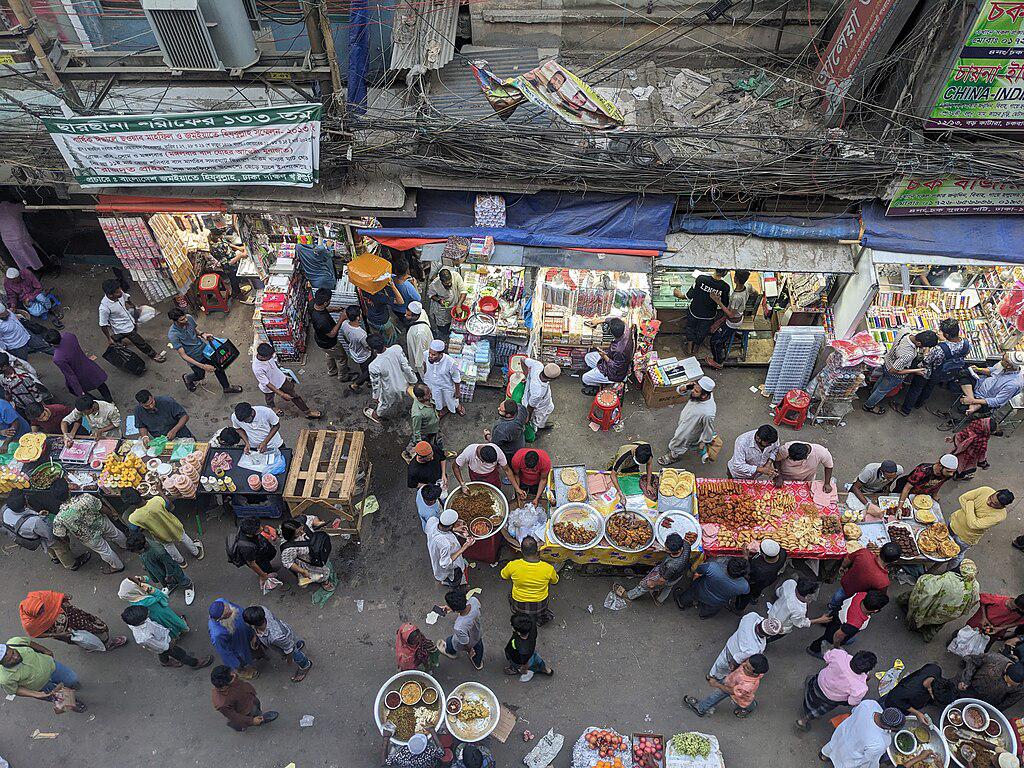
A historic market square in Old Dhaka lined with food stalls and shops, especially lively during Ramadan evenings.

Dhakeshwari Temple

Dhakeshwari Temple

15 min drive

landmark

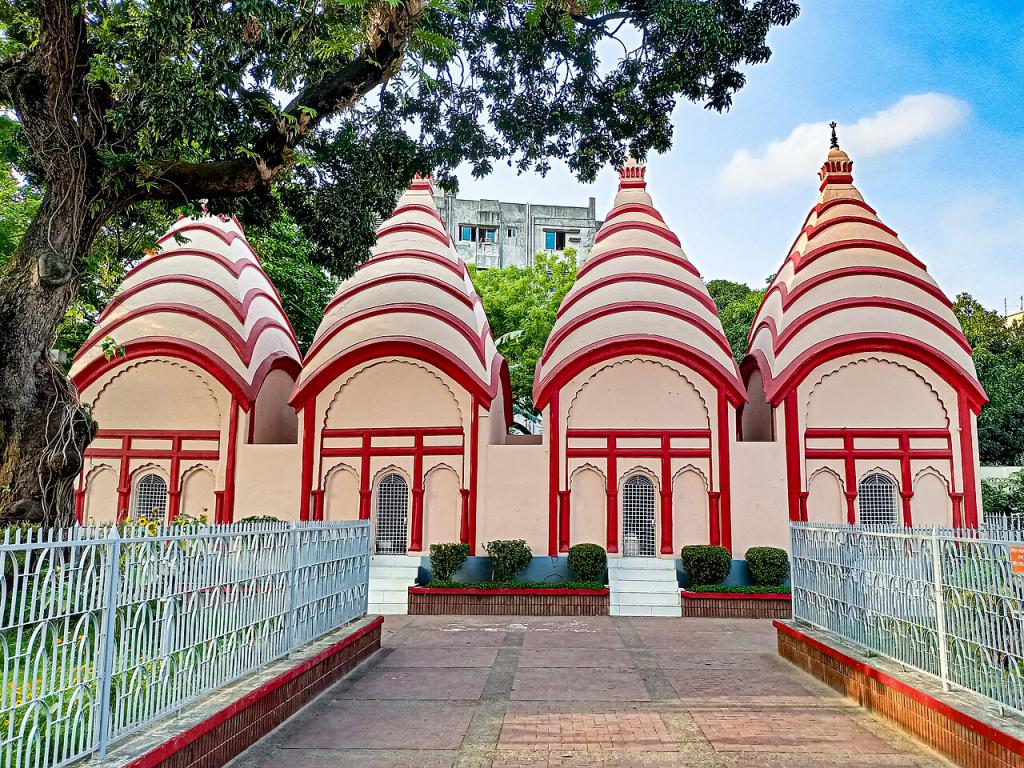
The national Hindu temple of Bangladesh, dedicated to the goddess Dhakeshwari, with a walled courtyard and shrine complex.

Ruplal House

Ruplal House

15 min drive

landmark

A 19th-century riverside mansion built by Dhaka merchants, notable for its European-influenced facade.

Where to stay

Where to stay near Lalbagh Fort

Old Dhaka district

Old Dhaka district

10–20 min drive

district

Guesthouses and budget hotels scattered through the Old Dhaka neighborhoods around Chawk Bazar and Sadarghat, close to river and heritage sites.

Pan Pacific Sonargaon Dhaka

Pan Pacific Sonargaon Dhaka

25 min drive

luxury

A high-end hotel in central Dhaka with river-view rooms and full business facilities, a common base for foreign visitors.

Dhanmondi district

Dhanmondi district

20 min drive

mid-range

A residential area with mid-range hotels and serviced apartments, offering easier access to restaurants and shopping than Old Dhaka.

Gulshan district

Gulshan district

30–40 min drive

luxury

Dhaka's diplomatic and business quarter, home to most international hotel chains and upscale dining.

Ready for Adventure?

Join thousands of happy travelers who have discovered this incredible experience

Book Your Experience Now